New Housing Taxes 2026: Impact and Savings

Introduction to New Housing Taxes
The real estate landscape in Spain is undergoing a radical shift with the entry into force of the recent housing decree. This package of measures not only reconfigures the regulatory framework of the rental and purchase market, but also introduces a series of tax changes that will directly impact the pockets of millions of owners, tenants, and investors. Understanding the exact scope of these modifications has become essential to avoid surprises with the tax authorities and, above all, to discover the new avenues of saving that the law itself provides to those who meet certain requirements.
Over recent months, the debate on housing access has dominated the economic agenda. The government response translates into a legislative package that combines higher tax burdens for certain profiles with generous tax breaks for those who align with social and ecological policy objectives. Analyzing the ins and outs of this reform allows you to anticipate tax obligations and design a smart asset strategy. Far from being a simple bureaucratic update, we are facing a scenario where every decision regarding a property can mean a difference of thousands of euros per year.
Throughout this comprehensive analysis, we will break down which levies are tightening, what deductions are emerging, and how you can reorganize your personal finances to minimize the negative impact. The key to financial success in this new context lies in knowing the fine print of the regulations and acting with foresight. If you have wondered how this situation will affect your household economy or your investment portfolio, read on as we reveal the economic data and exact figures you need to keep in mind right now.
The Economic Impact of the New Tax Regulations
The analysis of any tax reform must always start from its purely quantitative side. The new housing taxes introduced by the decree aim to discourage the accumulation of empty properties and curb price escalation in large cities, but their collateral effects also reach the average citizen. When a government decides to modify coefficients or create new tax figures, the market reacts immediately by adjusting prices or modifying available supply. For the individual owner, this translates into a mandatory review of their net profitability.
Take, for example, an investor who owns an apartment intended for rent in a high-demand area. Under the previous regime, gross and net profitability calculations were based on rental income minus usual community expenses, property tax (IBI), and maintenance, subsequently applying state reductions in personal income tax (IRPF). Now, with the introduced modifications, the calculation becomes more complicated. If the property is located in an area cataloged as stressed and the price exceeds the limits established by the new reference indices, the owner loses historical tax breaks, which significantly raises their annual tax bill. This means that an investment that previously yielded a net return of 5% could be reduced to 3.5% if the strategy is not adjusted to the new legal parameters.
On the other hand, the impact is not homogeneous. While largeholders and owners of vacant homes face severe penalties through surcharges on the Property Tax (IBI), small savers who opt for social or affordable rental models find considerable relief. The administration has designed a carrot-and-stick system where taxation acts as the main element of pressure and persuasion. Understanding this mechanism is vital to avoid mistakes that could waste a lifetime's savings. In the following sections, we will delve into the exact savings tools you can activate starting today to protect your assets.
New Taxes and Surcharges: Who They Affect and How Much They Cost
Real estate taxation is tightening for certain profiles with the declared objective of increasing the supply of rental housing. The main focus of attention is located in the Property Tax (IBI), where local councils now have the power to apply surcharges of up to 150% on those properties that remain unjustifiably unoccupied for more than two years. This measure, which until now was of limited and complex application, is notably streamlined by the new decree, turning the cost of keeping a home empty into a true economic drain for the owner.
In addition to the IBI, it is necessary to pay attention to personal income tax (IRPF). The loss of reductions on the net yield of habitual residence rentals is one of the realities faced by landlords who do not comply with rent containment conditions. If a landlord decides to set a price above the average marked by the new official indices, they not only risk administrative sanctions in certain autonomous communities, but they also lose the right to apply the 50% or higher reduction on their tax return, increasing their taxable base and skyrocketing the applicable marginal tax rate.
To illustrate this impact with real numbers, let's imagine an owner with gross rental income of 12,000 euros per year. With the previous deductions, the tax relief allowed a smaller portion of that income to be declared. Under the new scenario, if the contract does not adjust to the regulations' incentives, the base on which the tax is calculated can increase by several thousand euros, translating into an extra payment to the Tax Agency that can range between 800 and 2,000 additional euros each year, depending on the taxpayer's personal income tax bracket. Tax planning ceases to be an optional complement and becomes a matter of financial survival.

What the Video Covers
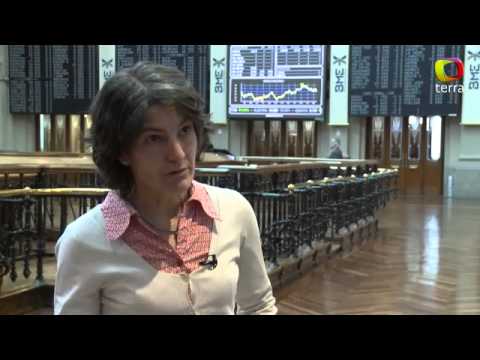
In this video (LANDLORDS will take their APARTMENTS off the rental market with the new HOUSING decree @VisualEconomik) the essence of the topic is explained visually. In short: PROMOTION remunerated account at 3% with Trade Republic: https://trade.re/vek3 #Advertising PSOE and Sumar have agreed on two ......
Tax Breaks and Deductions: The Other Side of the Coin
Fortunately for taxpayers, the housing decree is not limited to punishing or taxing more intensely, but also introduces important economic incentives in the form of tax breaks and deductions. These measures are designed to reward those behaviors that the legislator considers socially or ecologically a priority. Knowing these advantages makes it possible to more than offset the higher costs derived from other taxes, provided that the formal requirements demanded by the law are strictly met.
Among the most prominent tax breaks are those associated with the energy rehabilitation of buildings and private homes. If you decide to undertake works that significantly reduce heating and cooling demand, or that improve the overall energy efficiency of the property, you can benefit from personal income tax deductions that can reach up to 60% in certain residential building rehabilitation scenarios. These figures represent a massive direct saving that drastically reduces the payback period of any structural renovation.
Likewise, owners who decide to voluntarily lower the rental price in stressed areas compared to the previous contract obtain enhanced tax breaks on net real estate capital income, reaching reductions of up to 90% in some cases. This demonstrates that the design of the new housing taxes rewards price moderation with lower tax pressure. Below, we present a comparative table summarizing the different options and their estimated economic impact for the average taxpayer.
| Strategy / Situation | Impact on IBI | Impact on IRPF | Estimated Savings / Cost |
|---|---|---|---|
| Keeping property vacant | Surcharge of up to 150% | No income, fixed costs | High annual cost (+€1,500) |
| Market-rate rental | Ordinary municipal rate | Loss of reductions | Higher tax bill (+€1,000) |
| Social / discounted rental | Municipal tax break | Reduction up to 90% | Direct tax savings (up to €2,500) |
| Energy rehabilitation | Possible local tax breaks | Deduction up to 60% | Massive quota savings (up to €5,000) |
How to Optimize Your Real Estate Portfolio Under the New Legal Framework
Adapting to a changing regulatory environment requires a mindset shift in asset management. Improvisation usually comes at a high price in the fiscal realm, making it essential to carry out a complete audit of all real estate assets you own. The first step consists of verifying the cadastral and registry status of each asset, ensuring they are correctly recorded as a primary residence, second home, or rental property, avoiding discrepancies that could trigger automatic inspections by the tax administration.
The second step is to evaluate the feasibility of taking advantage of the aforementioned energy efficiency aid programs and deductions. Many families and small investors rule out carrying out renovations due to the initial outlay they entail, without calculating that regional and state tax deductions, added to direct savings on energy utility bills, allow the investment to be recovered in a surprisingly short period. Single-family home or block apartment, any action aimed at sustainability today has unprecedented tax backing in our country's recent history.
Finally, it is highly recommended to seek advice from professionals specialized in real estate taxation. Current laws contain very complex technical nuances, especially regarding the delimitation of stressed areas and the application of price reference indices. A mistake when drafting a rent update clause or calculating the taxable base can cost you much more than the fees of a good tax advisor. Prevention is the most profitable tool at your disposal to protect your assets from unforeseen surprises with the tax authorities.
In the complex labyrinth of real estate taxation, it is common to make mistakes that end up costing taxpayers a lot of money. One of the most frequent failures is failing to update cadastral data after carrying out expansion or improvement renovations on the home. This omission, often considered minor by owners, can lead to supplementary returns, surcharges, and even sanctions when the administration crosses electricity consumption data or building licenses with official tax records.
Another widespread mistake is unfamiliarity with deadlines and requirements to apply regional deductions. Many autonomous communities offer very attractive tax advantages for young people, large families, or people with disabilities who buy their first home, but these deductions require meeting income limits and keeping proof of payment during legal limitation periods. Filing tax returns hastily without reviewing these regional particularities means giving up amounts of money that legally belong to the taxpayer.
Finally, a critical error in the current context is ignoring the tax implications of asset transfers or lifetime donations. Trying to camouflage real estate transactions or making property donations without proper notary and tax planning usually triggers rigorous inspections and parallel liquidations with late-payment interest. Transparency and documentary rigor are the only guarantees of peace of mind in your relations with the tax administration. Dedicating time to review every detail before filing any tax will avoid unnecessary headaches and protect your finances.
Conclusion and Future Outlook on Real Estate Taxation
The implementation of the new housing taxes marks a definitive turning point in how citizens relate to their real estate. Far from being a passing measure, the tax pressure on the real estate sector is consolidating as a key tool for economic and social intervention. For the investor and individual owner, this means the rules of the game have changed forever, requiring greater professionalization, deep knowledge of the law, and a rigorous and constant tax planning strategy.
As a final balance, we must remember that the tax burden is not an isolated element, but part of an ecosystem where energy efficiency, price moderation, and the social destination of the property offer tangible economic rewards. Those who know how to read the opportunities hidden within tax breaks and deductions will be able to mitigate the impact of the new levies and even improve their overall profitability. The key is no longer accumulating bricks indiscriminately, but managing every square meter with financial intelligence and long-term vision.
Ultimately, the future of the real estate market will reward adaptability and punish inaction. Staying informed, relying on professional support, and anticipating regulatory changes are the three fundamental pillars to protect your savings and ensure the financial health of your assets in the coming years. Real estate taxation in 2026 requires staying one step ahead; your wallet will thank you for every informed decision you make starting today.
Following the recent housing decree, thousands of owners are weighing their options. Understanding new taxes, deductions, and exemptions is crucial.
Keep Reading
- Guía completa sobre deducciones en el IRPF para este año
- Cómo calcular el impacto del IBI en tus propiedades inmobiliarias
- Claves legales para alquilar tu vivienda con total seguridad jurídica
Frequently asked questions
What are the new housing taxes coming into force this year?
The new housing taxes introduced in the recent regulations seek to levy a more incisive tax on large holdings and vacant homes in stressed areas. However, specific deductions have also been implemented for those owners who decide to rent at affordable prices, allowing them to offset part of the additional tax burden.
How can I benefit from the new tax breaks?
To access the new tax breaks associated with housing, you must meet requirements such as limiting the rental price according to regional reference indices, carrying out energy efficiency works that reduce consumption, or designating the property as the habitual residence of young people and vulnerable groups.
How much money can I save by applying deductions on my tax return?
Potential savings vary considerably depending on your autonomous community and your income, but deductions for energy rehabilitation and affordable rental can mean direct savings of between 1,000 and 4,000 euros annually in the regional bracket of personal income tax and reductions in Property Tax.
What happens if I have an empty property in a stressed area?
If you maintain an empty home for a prolonged period in areas declared as stressed by the public administration, you will face significant surcharges on the Property Tax. The regulations aim to penalize speculation and encourage these vacant properties to enter the rental or sale market.